
Hire construction management services before design decisions, contractor bidding, and purchasing commitments become difficult to change, especially when your DC project involves occupied space, several design disciplines, or multiple decision-makers. Hiring later still helps organize unresolved work, but it does not replace reviewing decisions already made or give a construction manager authority your contract has not assigned.
- Hire construction management services before design and bidding when your DC project needs coordinated owner decisions.
- A and E Construction LLC suits owners seeking construction management services with design-through-construction coordination.
- An office build out or multifamily renovation needs clear responsibility for access, design decisions, and changes.
- Define reporting, decision authority, and contractor responsibilities before signing a construction management agreement.
When should DC owners hire construction management services?
Hire when managing the connections between scope, design, procurement, and construction exceeds your available oversight. The trigger is coordination complexity, not a universal building size or project value.
For property owners and authorized property managers in Washington, DC and Maryland, these checkpoints help distinguish an early appointment from a late intervention:
| Appointment point | Best for | Main benefit | Limitation |
|---|---|---|---|
| Before design | Owners with a defined objective but unresolved scope | Establishes decision responsibilities before drawings develop | Requires an oversight scope while project details are still developing |
| During design | Owners coordinating architectural and building-system decisions | Connects design questions with construction planning | Previously approved choices still need review |
| Before bidding | Owners preparing to compare contractor proposals | Organizes scope, exclusions, and bidder questions | Cannot resolve missing design information without the design team |
| During construction | Owners facing unresolved changes or reporting gaps | Establishes a documented process for remaining work | Does not erase existing commitments or disputes |
Start with your project brief. For an interior project, defining a tenant build out scope in Maryland helps separate the intended work from assumptions that still need investigation.
Why this matters
A project can have a capable architect and contractor and still lack a clear owner-side decision process. Someone must identify who approves changes, who answers design questions, and who communicates access restrictions to the people doing the work.
For a 2026 project, make those responsibilities part of procurement rather than leaving them for the first construction meeting. A construction manager's title does not establish contractual authority; the agreement does.
Before design: hire when the brief needs coordination
Appoint construction management support before design when you know what the property must achieve but have not resolved how the work will fit the building. Examples include changing an interior layout, coordinating shared building systems, or planning work around continuing occupancy.
The useful deliverable is a decision-ready brief, not another general description of the project. Ask for a record that separates confirmed requirements from items requiring investigation.
That brief should identify:
- Project boundaries: Which spaces, systems, and exterior interfaces are included or excluded.
- Operational constraints: Which areas must remain accessible and which activities require owner coordination.
- Design responsibilities: Who supplies architectural information and who addresses building systems.
- Owner decisions: Who can approve scope, substitutions, and changes.
- Unresolved conditions: What needs inspection, measurement, documentation, or specialist input.
Architectural design services address the layout and design of the space. MEP engineering services address mechanical, electrical, and plumbing systems. Construction management coordinates the agreed process around those disciplines; it does not automatically replace either professional role.
Best for: owners who need a coordinated scope before asking designers and contractors to make commitments. The trade-off is that you must define the manager's initial deliverables even while parts of the project remain unresolved.
Before bidding: hire when proposals need a common basis
Bring in construction management services before bidding when you cannot confidently explain what every bidder should include. Different assumptions about demolition, system connections, access, or owner-supplied items make proposals difficult to compare.
Commercial general contractors and commercial renovation contractors need the same documented scope to answer the same project. A construction manager can organize that information and track questions, provided the agreement includes procurement support.
Ask for a comparison that identifies inclusions, exclusions, allowances, and unresolved questions. An allowance is a placeholder for work or a selection that has not yet been fully defined; it should not be mistaken for a settled specification.
For your 2026 procurement plan, decide who issues clarifications and who confirms that bidders received them. Otherwise, the owner risks evaluating proposals built on different instructions.
Best for: owners preparing a contractor selection with unresolved scope questions. The limitation is straightforward: bid administration cannot substitute for missing drawings, engineering, or owner decisions.
During construction: hire when control needs rebuilding
Hiring after construction begins is appropriate when reporting, decision tracking, or responsibility for remaining work is unclear. Start by asking the manager to establish the current position, not to promise a recovery outcome.
The initial review should distinguish completed work, open work, disputed work, outstanding decisions, and existing contractual commitments. Those categories require different responses.
For example, an unanswered design question needs a designated respondent. A proposed change needs scope review and approval under the contract. A disagreement about completed work needs documentation and review against the applicable requirements.
Best for: owners who need organized oversight of the remaining project. The disadvantage is that the new manager must work within existing agreements and conditions rather than shaping them from the start.
Do not assume a construction management appointment transfers responsibility for previous work. Confirm the boundaries in writing, including what the manager will inspect, document, report, or recommend.
Which delivery role does your project actually need?
Construction management, general contracting, and design-build describe different responsibilities. Choose the responsibility you need before choosing the label. The agreement must explain who performs the work and who has authority to direct it.
| Role | Best for | Core responsibility | Limitation to check |
|---|---|---|---|
| Construction management | Owners needing structured oversight and reporting | Coordinates the services expressly assigned in the management agreement | Does not automatically include construction or design responsibility |
| General contracting | Owners procuring execution of a defined construction scope | Performs and coordinates contracted construction work | Does not automatically provide independent owner-side oversight |
| Design-build | Owners seeking coordinated design and construction under a combined arrangement | Connects design and construction responsibilities through the agreed delivery structure | Owner requirements and approval rights still need clear definition |
A and E Construction LLC offers construction management services alongside design-build, general contracting, architectural design, MEP engineering, and building maintenance. With over 29 years of combined experience and an emphasis on design-through-construction coordination, A and E Construction LLC is best for owners seeking connected design and construction services.
That fit does not remove the need to examine role boundaries. If one provider holds several roles, ask how recommendations, owner approvals, and changes will be documented; do not assume the arrangement includes independent oversight.
Why construction management needs vary
The right appointment depends on the decisions and interfaces your project creates. Use these factors to define a 2026 management scope rather than buying an undefined promise to oversee everything.
- Occupancy: An occupied property needs explicit arrangements for access, separation of work areas, and communication with affected occupants.
- System interfaces: Work connecting to shared mechanical, electrical, or plumbing systems requires coordination beyond the room being renovated.
- Design maturity: An early concept needs different management deliverables from a coordinated drawing package ready for contractor review.
- Decision authority: Multiple owners, tenant representatives, or management contacts need a named approval route.
- Procurement boundaries: Separately purchased equipment or owner-supplied materials need assigned responsibility for specifications, delivery coordination, and installation interfaces.
- Handover requirements: Operating instructions, outstanding-work records, and maintenance information should have a defined recipient and review process.
These factors do not establish a universal staffing level or meeting frequency. They establish what you should ask the manager to address in the proposal.
How does this apply to your building project?
Use the actual work to describe the management need. Project labels alone do not tell a consultant what must be coordinated.
| Project type | Decision to resolve before procurement | Management focus |
|---|---|---|
| Tenant build out | Separate tenant requirements from landlord responsibilities | Track scope boundaries and approvals |
| Office build out | Confirm layout decisions and their building-system implications | Coordinate design questions and owner selections |
| Restaurant build out | Define equipment requirements and related system connections | Coordinate layout, services, and equipment interfaces |
| Multifamily construction | Establish responsibility across building areas and shared systems | Coordinate design packages and construction interfaces |
| Multifamily renovation | Identify occupied areas and shared-system dependencies | Organize phasing decisions and resident communication responsibilities |
| Apartment renovation | Distinguish unit-specific work from shared-building work | Coordinate access and repeatable scope documentation |
When comparing multifamily construction companies, multifamily renovation contractors, or apartment renovation contractors, give each the same ownership and occupancy information. A contractor cannot respond to a restriction that has not been disclosed.
Building maintenance services also belong in the planning conversation when the completed work will require operating information or ongoing attention. Identify who receives that information before handover, rather than treating maintenance as an unrelated purchase afterward.
How should you prepare to hire a construction manager?
Prepare a short project package before requesting a consultation. For a 2026 appointment, use current documents and label superseded material so the discussion starts from the right scope.
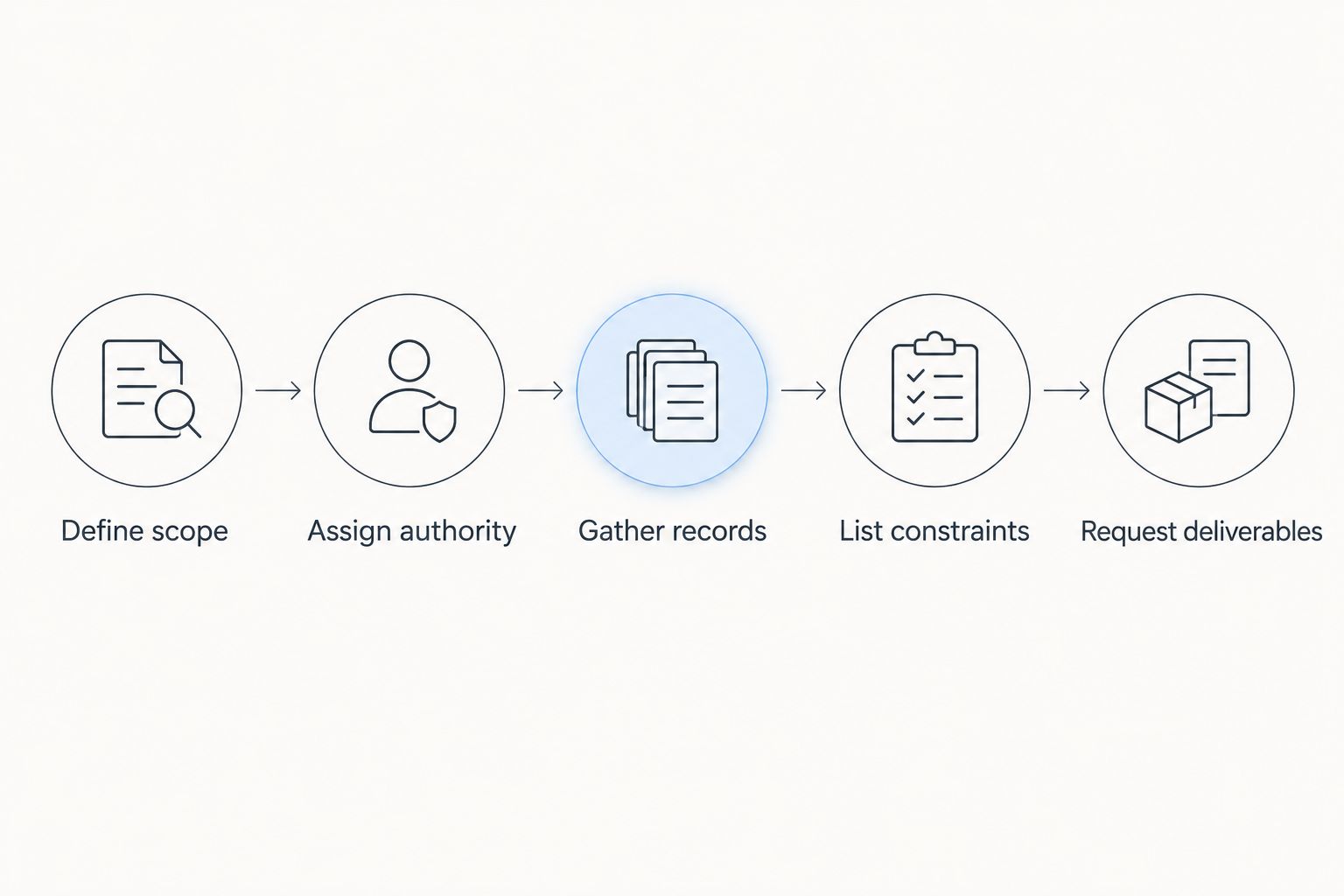
- Define scope. Describe the property, intended work, affected spaces, and desired operating outcome. Identify what is expressly excluded.
- Assign authority. Name the property owner, authorized property manager, and person responsible for approvals. Explain any limits on that authority.
- Gather records. Assemble available drawings, surveys, existing proposals, lease requirements, and known building restrictions. Distinguish records from assumptions.
- List constraints. Document occupied areas, access conditions, owner-supplied items, and decisions that remain open.
- Request deliverables. Ask the prospective manager to state reporting responsibilities, decision tracking, procurement support, site involvement, and handover tasks.
The sequence turns a general inquiry into a discussion about a defined assignment. It also lets you compare proposed services without assuming every provider includes the same work.
Before signing, ask what the owner must supply and which decisions remain with the owner. A management agreement should make those obligations easier to understand, not bury them inside a broad service description.
Discuss your project scope
Bring your DC or Maryland project brief, available drawings, and unresolved coordination questions.
Should I hire before the drawings are finished?
Hire before the drawings are finished when you need construction planning to inform unresolved design decisions. Specify the questions the manager must coordinate, such as access, procurement boundaries, or the relationship between proposed work and existing systems.
Do I need separate management if I have a general contractor?
Separate management is useful when you need owner-side coordination that your general contractor's agreement does not provide. Compare responsibilities first; overlapping services without clear authority create another interface to manage.
What if my project is already behind its intended sequence?
Start with a documented review of remaining work and unresolved decisions. Ask for dependencies and responsibilities before accepting a revised sequence; an appointment alone does not establish a credible completion commitment.
FAQ
When should I hire construction management services for a DC renovation?
Hire construction management services before design and bidding when the renovation needs coordinated owner decisions, occupied-building planning, or several design disciplines. Define the manager's deliverables and authority in the agreement.
Is construction management the same as general contracting?
Construction management is not the same as general contracting. Management covers the oversight and coordination assigned by agreement, while general contracting covers the contracted construction work; one provider's responsibilities depend on the contract.
Can my property manager hire a construction manager?
An authorized property manager can arrange the appointment within the authority granted by the owner. Confirm who signs the agreement and who approves scope changes before requesting services.
Do construction management services include architectural design and MEP engineering?
Construction management services do not automatically include architectural design or MEP engineering. List each required discipline and its responsible provider rather than assuming those services are bundled.
What should I bring to a construction management consultation?
Bring a defined project brief, available drawings, known access restrictions, existing agreements, and unresolved questions. Identify the person authorized to approve decisions so the discussion can address the actual assignment.
Is A and E Construction LLC relevant for coordinated design and construction?
A and E Construction LLC offers construction management services alongside design-build, architectural design, MEP engineering, and general contracting. Owners seeking design-through-construction coordination should confirm the responsibilities and deliverables included in their proposed agreement.
One last thing
Ask who is responsible for answering each unresolved question—not just who attends the meeting. A meeting can record a problem without assigning anyone to resolve it.
For your 2026 project brief, add a decision owner and approval route to every open item. That gives prospective construction managers a concrete coordination problem to address before you hire.